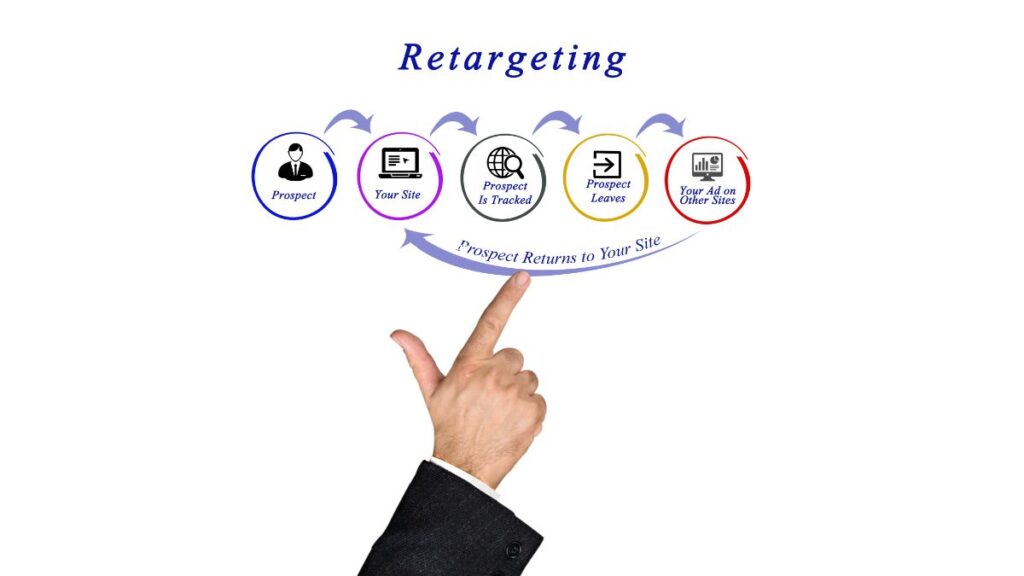
Any digital marketer acknowledges the “costs of investing” in strategies to ensure the potential “return on investment (ROI)” is maximized. If you’ve been observing the “people who visit” your site, you’ll notice a pattern: the majority explore and exit without a transaction. According to Google, 97% of people who visit your site for the first time leave without buying anything, and then they’re lost forever. But what if you could bring them back? What if you could remind them of your products or services and persuade them to give you another chance? That’s where retargeting comes in.
Understanding the Basics
Retargeting is anchored in meticulously capturing and analyzing user behavior online. Through the strategic use of cookies and pixel tracking, marketers can continuously observe and document a user’s interactions with websites and digital content. This granular level of insight allows for creating tailored ads specifically catering to an individual’s interests and previous engagements.
Retargeting acts as a tactful prompt, revisiting the user’s earlier interests and gently guiding them toward a desired action or conversion. This approach not only heightens the relevance of ads but also amplifies the likelihood of re-engaging users effectively.
Why Retargeting Matters for Businesses
The essence of retargeting lies in its ability to focus on past visitors—an audience already familiar with your brand, products, or services. Re-engaging this group presents a higher probability of conversion, given their prior interest, making retargeting a cost-efficient strategy compared to acquiring new customers. It’s akin to rekindling an old acquaintance with the advantage of a shared history and established rapport.
Benefits of Re-engaging Previous Visitors
The rewards of reconnecting with past visitors are multi-faceted. Firstly, retargeting can lead to higher conversion rates as it focuses on users who have already shown interest. This familiarity breeds a sense of trust and recognition, crucial elements in the buyer’s journey. Secondly, it reinforces brand recall, ensuring your brand stays top of mind. Lastly, retargeting serves as a bridge to strengthen customer relationships, fostering loyalty and repeat business.
Blueprints for Efficient Retargeting
Creating an impactful retargeting campaign demands both depth of understanding and nuanced execution. Dive into these strategic guidelines to elevate your retargeting initiatives:
Audience Segmentation: Embrace the multifaceted nature of your audience. Steering clear of generic strategies, delve deep into your users’ behaviors, preferences, and levels of engagement to segment them appropriately. This granular approach will ensure that your retargeting messages strike the right chord with each subset.
Content Customization: Elevate ad relevance by tapping into past interactions. By analyzing a user’s historical touchpoints with your content, you can craft ads that genuinely resonate, turning casual browsers into potential customers.
Optimal Ad Timing and Frequency: It’s a delicate dance between engagement and intrusion. Strategically schedule your retargeting ads, and be mindful of their frequency to ensure you keep your audience’s interest piqued without tipping into overexposure.
Leveraging Multiple Channels: Expand your horizons beyond a singular platform. Harness the power of diverse digital arenas – from social media to email newsletters to banner ads – ensuring your retargeted message remains consistent and compelling across the board. This multi-pronged approach broadens your reach and reinforces your brand narrative.
Measuring and Optimizing Your Retargeting Campaigns
Consistent evaluation and iterative refinement form the bedrock of effective retargeting. Consider these approaches to elevate your campaign’s efficacy:
Key Performance Metrics: Anchoring your assessment in quantifiable metrics is vital. Focusing on Key Performance Indicators (KPIs) like click-through rates, conversion percentages, and the return on ad expenditure provides a clear lens to gauge the success and areas of improvement.
Real-time Data & Feedback Integration: The digital landscape is ever-evolving, and agility is the name of the game. Harness the insights drawn from live analytics, integrating them into your retargeting strategies. Moreover, consider user feedback as invaluable; it offers a direct window into the audience’s perceptions and needs.
A/B Testing & Iteration: Experimentation is pivotal in the quest for optimization. Implement A/B testing on various campaign elements, from ad copy to visual design, to uncover the most effective combinations. This process of trial and refinement ensures that your retargeting strategies remain aligned with audience preferences and produce the best possible results.
Common Mistakes and How to Avoid Them
Retargeting, though powerful, isn’t free from challenges. Here are common missteps to be wary of and strategies to counteract them:
Ad Overexposure: There’s a thin line between reminding and overwhelming. Consistently targeting users with the same ad can lead to diminishing returns, with users becoming immune or even irritated by the repetition. To circumvent this, it’s essential to determine the right ad frequency. Utilize analytics to discern the optimal number of touchpoints that drive engagement without inducing fatigue.
Stale Ad Content: The digital realm thrives on novelty. Serving the same visuals and messages can render your campaigns stale over time. A proactive approach involves routinely updating and rotating ad creatives. This maintains user interest and underscores a vibrant and evolving brand persona.
Overlooking Device Diversity: Today’s audience operates across various devices and platforms. Ignoring mobile users, or sidelining any particular platform, means missed opportunities and potential revenue. Counter this by adopting a holistic approach to retargeting. Ensure campaigns are seamlessly optimized for every device type, from desktops to smartphones, and are active across all relevant platforms. This inclusive strategy maximizes reach and taps into the diverse browsing habits of modern users.
Case Study: A Real-world Example of Successful Retargeting
To bring the concept of retargeting to life, consider the example of a renowned e-commerce brand that harnessed retargeting to elevate its ROI. By meticulously segmenting its audience, personalizing content, and diversifying its retargeting channels, the brand witnessed a surge in conversions, brand engagement, and customer loyalty. This real-world success story underscores the potential and profitability of adeptly executed retargeting strategies.
Future of Retargeting: What’s Next?
As we gaze into the future of retargeting, emerging technologies and trends are set to reshape its landscape. Data privacy considerations are gaining prominence, necessitating strategies and approaches shifting. Marketers must balance personalization and privacy, ensuring compliance with evolving regulations while maintaining the efficacy of retargeting campaigns.
Conclusion
Retargeting is undeniably a potent tool, ideally placed to convert brief engagements into sustained customer relationships, offering not only a boost in conversions but also cementing brand loyalty. As you step into the arena of retargeting, remember that each “target audience” requires a unique touch, and every “product or service” has a distinct appeal.
Harnessing these effectively ensures that your retargeting isn’t merely an “ad campaign” but a strategic symphony, enhancing your “brand awareness,” nurturing relationships, and ideally, elevating your “net profit.”